


Table of Contents
Few ingredients have sparked as much debate as salt.
For years, health experts, nutrition enthusiasts, and everyday consumers have debated whether salt is a necessary part of a healthy diet or a contributor to conditions such as high blood pressure, heart disease, and kidney issues. While opinions often differ, one fact remains clear: the human body requires sodium and other essential minerals to function properly.
The real question isn't whether salt is inherently good or bad. It's about the type of salt we choose and how much we consume. In an era dominated by highly processed foods, understanding the differences between natural and refined salt has never been more relevant.
Why Does the Body Need Salt?
Salt does much more than enhance the flavor of food.
Sodium, the primary mineral found in salt, is one of the body's key electrolytes. It helps regulate fluid balance, supports nerve signaling, assists muscle function, and plays a role in maintaining healthy blood pressure levels.
Naturally occurring salts may also contain varying amounts of other minerals, including potassium, magnesium, calcium, iron, zinc, and trace elements. These minerals support numerous biological processes and contribute to overall electrolyte balance.

Natural Salt vs. Refined Salt: What's the Difference?
Natural salts are typically harvested from oceans, salt lakes, or ancient underground mineral deposits. In many cases, they undergo minimal processing before reaching consumers.
Refined salt, by contrast, is processed to remove impurities and create a consistent texture and bright white appearance.
Supporters of natural salt often prefer minimally processed varieties because they retain their original mineral composition. For this reason, many people who embrace a whole-food lifestyle choose natural mineral salts while still practicing moderation in their daily sodium intake.

Should You Avoid Salt Completely?
Sodium is essential for many of the body's most important functions.
When sodium levels become excessively low, some individuals may experience symptoms such as:
- Fatigue
- General weakness
- Dizziness
- Difficulty concentrating
- Restlessness
- Reduced muscle performance
Because of sodium's critical role in human physiology, nutrition experts generally focus on balanced intake rather than complete elimination.
Salt, Electrolytes, and Brain Function
Every message transmitted between the brain and the body relies on electrolytes.
Among the most important are sodium and potassium, which help support communication between nerve cells and maintain normal neurological function.
When electrolyte balance is disrupted, people may notice symptoms such as low energy, mental fatigue, reduced focus, or a general feeling of sluggishness.
This is one reason why maintaining adequate mineral intake is considered an important part of overall wellness.

Why Magnesium Matters?
Magnesium is often overlooked, yet it plays a vital role in many essential functions throughout the body.
It contributes to:
- Healthy muscle function
- Nervous system support
- Sleep quality
- Bone health
- Vitamin D activation
Inadequate magnesium intake may be associated with muscle cramps, fatigue, lower energy levels, and poor sleep quality.
As a result, many wellness-minded individuals prioritize a nutrient-rich diet that provides a broad spectrum of essential minerals.
Persian Blue Salt: One of Nature's Rarest Mineral Salts
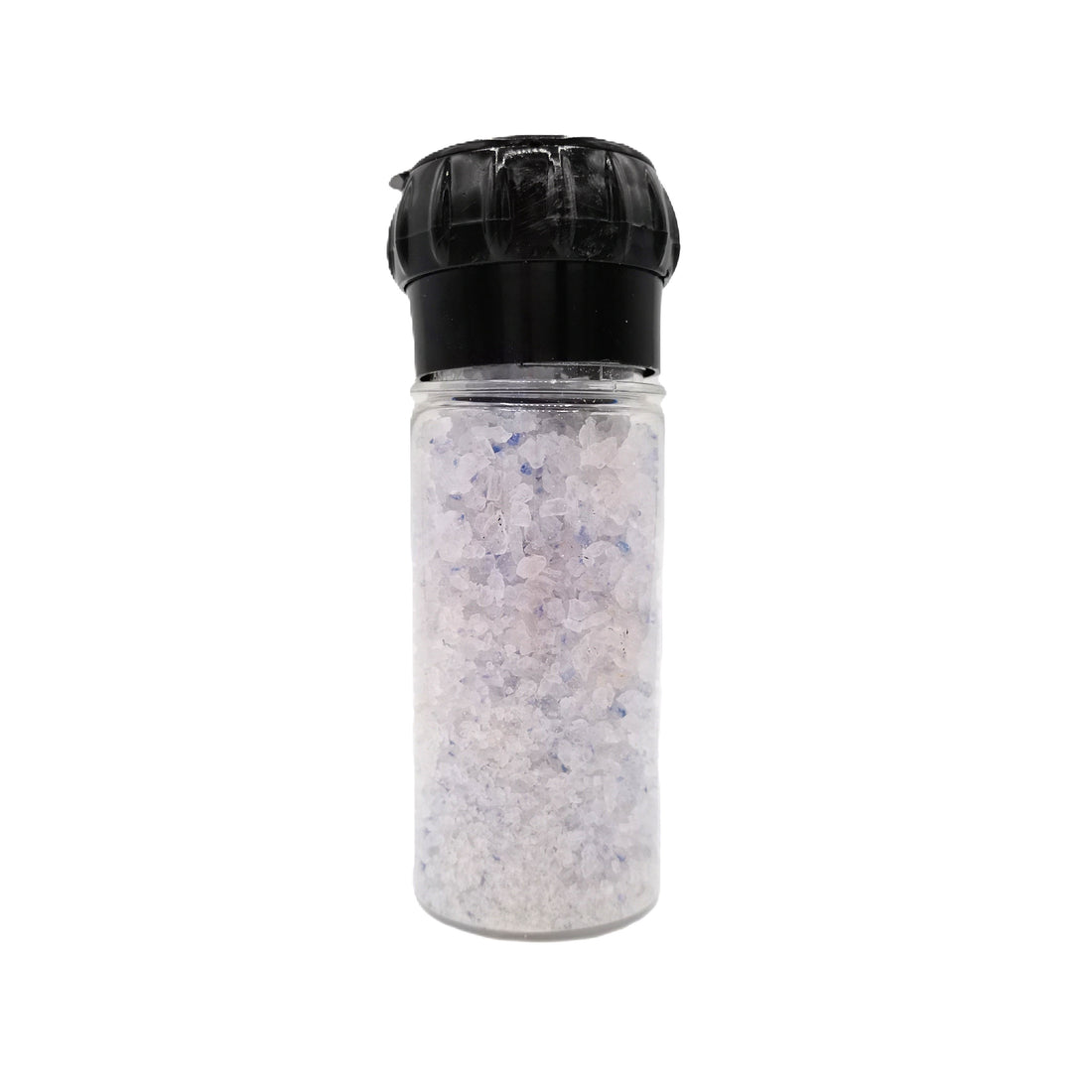
Among the world's most distinctive mineral salts, Persian Blue Salt stands out for both its rarity and appearance.
This remarkable salt is primarily sourced from the Semnan and Garmsar regions of Iran, where mineral-rich deposits were formed millions of years ago.
Its naturally occurring blue hue is linked to its crystal structure and mineral composition, giving it a striking appearance unlike most other salts available today.
In addition to its visual appeal, Persian Blue Salt has gained popularity among natural living enthusiasts because of its unique mineral profile.

Choosing High-Quality Blue Salt
If you're interested in incorporating Blue Salt into your kitchen, consider looking for products that offer:
- A clearly identified origin
- No artificial additives
- Testing for heavy metals and environmental contaminants
- Proper packaging that protects freshness and quality
- Natural color and crystal integrity
Today, select wellness-focused brands offer Blue Salt in containers with minimal processing to help preserve its natural characteristics. These products are commonly used in healthy cooking, homemade dressings, salads, and other whole-food recipes.
Traditional Uses of Natural Salt
Throughout history, natural salt has served purposes beyond the kitchen. Various cultures have incorporated it into traditional wellness practices for generations.
Supporting Healthy Digestion
Some traditional wellness approaches recommend tasting a very small amount of natural salt at the beginning or end of a meal.
Supporters believe this practice may help stimulate digestive activity and support the body's natural digestive processes.
A Traditional Honey and Salt Blend for Oral Care
Ingredients:
- 3 parts raw honey
- 1 part natural salt
Directions:
Combine the ingredients and gently massage the mixture onto the gums.
Historically, this blend has been used as part of traditional oral care routines.
A Traditional Blend for Occasional Acid Reflux and Digestive Discomfort
Ingredients:
- A small amount of natural salt
- Sumac
- Thyme
Directions:
To make this blend easy to use, combine and grind the salt, sumac, and thyme into a fine powder, then store it in a shaker. Simply enjoy a small pinch after meals as part of your daily wellness routine.
Some people use this traditional combination to help ease feelings of heaviness after eating.
Traditional Mouth and Throat Care
In certain regions, small pieces of natural rock salt have traditionally been used to help keep the mouth and throat feeling fresh.
Anyone experiencing persistent symptoms, fever, or signs of infection should consult a healthcare professional.
A Traditional Hydration Beverage
Ingredients:
- 1 glass of water
- 1 teaspoon natural salt
- 1 tablespoon honey
Traditionally:
this simple beverage has been used to help replenish fluids and electrolytes during hot weather or periods of mild digestive upset.
Salt Foot Soaks
A warm salt-water foot soak remains one of the most common traditional uses of natural salt.
Many people enjoy this practice as a way to relax tired feet, unwind after long periods of standing, and promote a sense of comfort.

Natural Skin and Hair Care Applications
Natural mineral salts have also been incorporated into homemade skincare and haircare routines.
Supporters believe the minerals found in these salts may help support cleansing and overall personal care practices.
Final Thoughts
Salt is neither a miracle ingredient nor something to be feared.
Like many aspects of nutrition, balance matters most. Making informed choices, paying attention to quality, and consuming salt in moderation can help support a healthy lifestyle.
For those who appreciate minimally processed foods, natural mineral salts offer an alternative that combines flavor with naturally occurring trace minerals.
Alongside nutritious food, regular physical activity, quality sleep, and other healthy habits, thoughtful choices in everyday ingredients can contribute to a more balanced and vibrant lifestyle.

